A advance Learning System : Aadvancelearning system

A advance Learning System

A advance Learning System
Showing posts with label Aadvancelearning system. Show all posts

Monday, May 11, 2026

what is the importance of using Library

May 11, 2026 0
what is the importance of using Library


Public Libraries

what is the importance of using Library


e-learning library
https://www.blogger.com/blog/post/edit/501958067025694577/64051508986232655

Public Libraries play an important role in supporting 
in our educational system. They provide many
resources, such as educational materials,
training courses, scientific publications,
etc.
To visitors, public libraries provide their services 
not only face-to-face, but some of them have 
also, an integrated e-learning library is very 
supportive source for increased interest
the study habit.
A library is helping source for teaching and learning 
process. It stimulates interest in subjects libraries 
can help people for solving their answers.
They guide and provide them to independently
discover solutions and knowledge.
Libraries are designed to provide an additional
benefit to your understanding. It is a place where every corner
of the globe can be discovered. In the context of the world, libraries
play a significant role in providing information at the source of 
wisdom and knowledge.
The library is among the most important area in each school. The libraries very help full to students in preparing for exams. urn field.
The book stored on the shelves of libraries are the 

https://www.blogger.com/blog/post/edit/501958067025694577/64051508986232655

#Libraryimportance #Aadvancelearningsystem #ALS #Aals #realsupportdone #internet

Digital Library and Its Functional Components – Complete Guide 2026

May 11, 2026 0
Digital Library and Its Functional Components – Complete Guide 2026

digital libraries 

Digital library and its functional components
digital libraries 

Digital Library and Its Functional Components

Complete Guide to Modern Digital Libraries in 2026

In today’s technology-driven world, digital libraries have transformed the way people access knowledge and information. From universities and schools to businesses and research institutions, digital libraries provide fast, organized, and convenient access to digital resources anytime and anywhere.

A digital library is more than just an online collection of books. It is a complete information management system that stores, organizes, preserves, and distributes digital content efficiently.

In this blog, we will explore the meaning of digital libraries, their importance, advantages, and the major functional components that make them work effectively.

What Is a Digital Library?

A digital library is an organized collection of digital resources such as:

  • eBooks
  • Research papers
  • Journals
  • Videos
  • Audio files
  • Images
  • Databases
  • Educational materials

These resources are stored electronically and can be accessed through computers, tablets, or smartphones using the internet or internal networks.

Unlike traditional libraries, digital libraries allow users to search, download, and access information instantly without visiting a physical location.

Importance of Digital Libraries

Digital libraries are becoming essential in education, research, and professional environments because they provide:

  • Fast access to information
  • 24/7 availability
  • Remote learning opportunities
  • Easy storage and management
  • Global sharing of knowledge
  • Cost-effective information distribution

They help students, researchers, and professionals save time and improve productivity.

Main Features of a Digital Library

1. Online Accessibility

Users can access digital resources from anywhere in the world using internet-enabled devices.

2. Quick Search Functionality

Digital libraries include advanced search systems that help users find information quickly.

3. Multimedia Support

They support different content formats such as:

  • Text
  • Audio
  • Video
  • Graphics
  • Interactive learning materials

4. Easy Resource Management

Digital content can be updated, organized, and preserved efficiently.

5. Large Storage Capacity

Thousands of books and documents can be stored digitally without requiring physical space.

Functional Components of a Digital Library

A digital library consists of several important functional components that work together to manage and provide digital information effectively.

1. User Interface Component

The user interface is the front-end system through which users interact with the digital library.

It allows users to:

  • Search resources
  • Browse categories
  • Read or download content
  • Access personal accounts

A good user interface should be:

  • User-friendly
  • Fast
  • Responsive
  • Easy to navigate

This component plays a major role in improving user experience.

2. Digital Collection Component

This component contains the actual digital materials stored in the library.

The collection may include:

  • eBooks
  • Research articles
  • PDFs
  • Videos
  • Audio lectures
  • Images
  • Historical records

The quality and organization of digital collections determine the effectiveness of a digital library.

3. Metadata Component

Metadata is “data about data.”

It provides information about digital resources such as:

  • Title
  • Author name
  • Publication date
  • Keywords
  • Subject category

Metadata helps users search and locate resources quickly and accurately.

Without metadata, managing digital information would become difficult.

4. Search and Retrieval System

This is one of the most important components of a digital library.

It allows users to:

  • Search documents
  • Filter results
  • Retrieve relevant information instantly

Advanced search systems use:

  • Keywords
  • Tags
  • Categories
  • Indexing methods

This component improves information accessibility and efficiency.

5. Database Management System (DBMS)

The DBMS stores and manages all digital resources and user information.

Its functions include:

  • Data storage
  • Data organization
  • User management
  • Security management
  • Backup and recovery

A strong database system ensures reliability and smooth library operations.

6. Network and Communication Component

Digital libraries rely on internet and network systems for communication and access.

This component allows:

  • Online connectivity
  • Remote access
  • Resource sharing
  • Multi-user access

Without networking systems, digital libraries cannot function globally.

7. Security and Access Control Component

Security is essential to protect digital resources and user information.

This component manages:

  • User authentication
  • Password protection
  • Copyright protection
  • Access permissions

It ensures that only authorized users can access restricted content.

8. Preservation and Backup Component

Digital preservation protects resources from data loss or corruption.

This component includes:

  • Backup systems
  • Cloud storage
  • Data recovery
  • Long-term preservation technologies

It helps maintain digital information for future generations.

Advantages of Digital Libraries

Easy Access

Users can access resources anytime and anywhere.

Time Saving

Searching for information becomes faster and more efficient.

Cost Effective

Reduces printing, storage, and maintenance costs.

Space Saving

Large amounts of information can be stored digitally.

Supports Distance Learning

Students can access educational resources remotely.

Environment Friendly

Reduces paper usage and promotes sustainability.

Challenges of Digital Libraries

Despite many advantages, digital libraries also face some challenges:

  • High setup costs
  • Cybersecurity risks
  • Internet dependency
  • Copyright issues
  • Technical maintenance requirements
  • Digital preservation challenges

Proper management and modern technology are needed to overcome these issues.

Future of Digital Libraries

The future of digital libraries is highly promising due to advancements in:

  • Artificial Intelligence (AI)
  • Cloud computing
  • Big data
  • Machine learning
  • Digital archiving technologies

Modern digital libraries are becoming smarter, faster, and more interactive. AI-powered search systems and personalized recommendations are improving user experiences significantly.

Conclusion

Digital libraries have revolutionized the way information is stored, managed, and accessed. They provide convenient, fast, and organized access to knowledge for students, researchers, and professionals worldwide.

The functional components of digital libraries — including user interfaces, metadata systems, search engines, databases, security systems, and preservation technologies — work together to create an efficient digital information environment.

As technology continues to evolve, digital libraries will become even more powerful and essential in education, research, and global knowledge sharing.

FAQ Section

What is a digital library?

A digital library is an electronic collection of digital resources such as eBooks, journals, videos, and research materials accessible through computers or the internet.

What are the main functional components of a digital library?

The main components include:

  • User Interface
  • Digital Collection
  • Metadata
  • Search System
  • Database Management
  • Security System
  • Network Component
  • Preservation System

Why are digital libraries important?

They provide fast, remote, and cost-effective access to information and support education and research worldwide.

What is metadata in a digital library?

Metadata is information about digital resources, such as title, author, keywords, and publication details.

What are the advantages of digital libraries?

Advantages include:

  • Easy access
  • Time saving
  • Cost efficiency
  • Space saving
  • Remote learning support

 Keywords

  • Digital library
  • Functional components of digital library
  • Digital library system
  • Advantages of digital libraries
  • Digital information management
  • Library information systems
  • Modern digital libraries
  • Components of digital library
  • Digital learning resources
  • Online library systems

Learn about digital libraries and their functional components including metadata, search systems, databases, security, and digital collections in this complete 2026 guide.

Thursday, November 3, 2022

library and information science

November 03, 2022 0
library and information science


Library and information science

library and information science

Library and information science
What is a digital library?

A digital library also called an online library 

An internet library a digital repository or a digital collection is an online database of digital.


What does the digital library explain?

Explain the digital library in different forms.

Definition of digital libraries.

A library in which collection is stored in digital formats and accessible by computers.


Digital libraries can vary immensely in size and scope and can be maintained by individuals 

organizations or affiliated with established  

Physical library.

Digital libraries are organized collections of information resources and associated tools creating archiving searching.


#Library and information science,#Digital libraries #realsupportdone, #ALS, #Aals

Wednesday, November 2, 2022

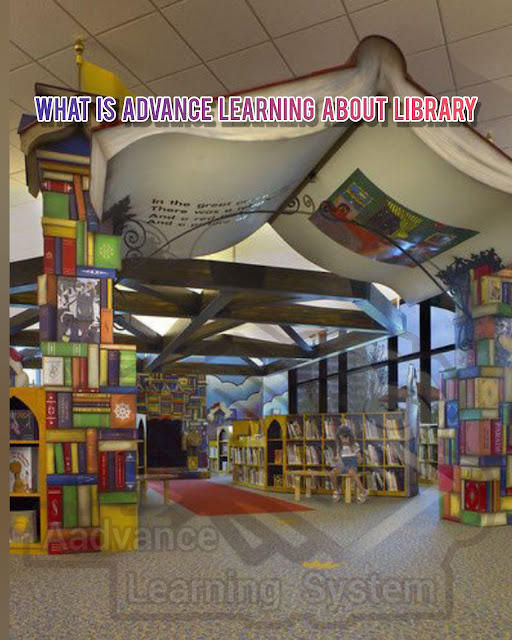
what is advance learning about library

November 02, 2022 0
what is advance learning about library

what is advanced learning about library

what is advanced learning about library

A library is a place that has books and other materials. It can also be a room or building where these materials are kept.
A library is the biggest source of books. you can find all sorts of books here. 
Books of different types such as science fiction and a lot more are kept in the library for people to borrow.
You can use the books in the library for many different purposesLibraries are educational centers that fuel students with academic resources, working spaces, and the opportunity for self-development. They also encourage thinking processes, creativity, and inquisitiveness. 

A library is typically organized by topics, such as fiction or nonfiction books, or by alphabetical order. Materials in the library are usually available for borrowing, meaning that people can take them home to read and then return them when they're done.

Advanced learning is all about the learning that is done in advance of a specific need. It’s about knowing the answer to a question before you know the question.

The advances in technology and AI are making it possible for us to learn in advance. Advanced learning is not just about getting an education or skill, it's also about getting information, data, and knowledge when we need it most.

There are many different types of libraries around the world. In some places, there may be one public library for all residents to use; in others, there may be many smaller libraries run by different organizations for different groups of people.

The library is an institution that provides information and other resources to the public. Libraries are a valuable resource for students, teachers, researchers, and the general public.

This section will go over how libraries can be used as a resource for research and education. We will also go over what the different types of libraries are, how they work, and who they serve.


#Aadvancelearningsystem #ALS #Aals #digital #internet #realsupportdone